The True Cost of Sneaker Culture: Finance Lessons from Resale Markets
Sneaker culture has exploded over the past decade, transforming from a niche hobby into a billion-dollar industry. Limited releases, collaborations, and resale platforms have created a hype-driven market where some sneakers sell for thousands of dollars. But behind the excitement lies a critical financial lesson: hype can drain your wallet if you don’t manage it wisely.
Why Sneaker Culture Is So Expensive
-
Scarcity marketing: Brands release limited quantities, driving demand and resale value.
-
Social status: Sneakers have become symbols of identity and success, fueling emotional purchases.
-
Resale platforms: Apps like StockX and GOAT make flipping sneakers easier, but also inflate prices.
-
FOMO (Fear of Missing Out): Buyers overspend to avoid missing a drop, often ignoring their budget.
Real-Life Financial Lessons
-
Budgeting vs. Hype: Just because a sneaker is “must-have” doesn’t mean it fits your financial plan.
-
Opportunity cost: Spending $500 on sneakers could mean missing out on investments that grow wealth.
-
Resale risks: While flipping sneakers can be profitable, it requires knowledge, timing, and capital.
-
Emotional spending: Sneaker drops highlight how emotions drive purchases — a reminder to pause before buying.
How to Participate Without Breaking the Bank
-
Set a sneaker budget: Decide how much you’ll spend annually and stick to it.
-
Buy to wear, not just to flex: Focus on sneakers you’ll actually use, not just hype.
-
Resell strategically: Treat resale like a business — track costs, fees, and profits.
-
Diversify your investments: Don’t let sneakers be your only “asset class.” Balance with savings and stocks.
-
Audit your collection: Sell pairs you don’t wear to free up cash and reduce clutter.
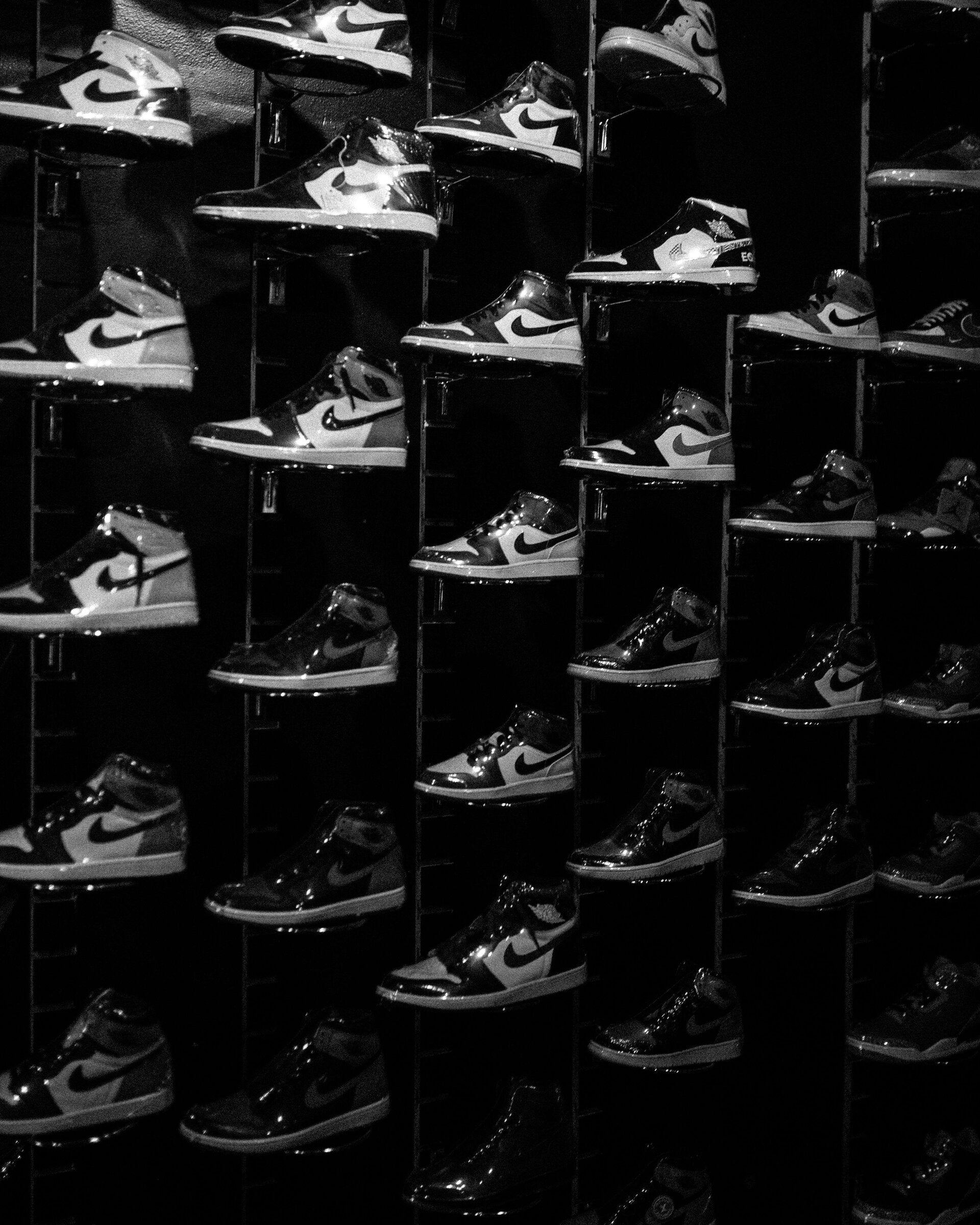
Real-Life Example
A collector buys every limited drop, spending $5,000 annually. If they redirected half of that into an index fund, they could build a portfolio worth tens of thousands over a decade — while still enjoying their favorite pairs.
Final Thoughts
Sneaker culture is fun, creative, and community-driven. But financially, it’s a double-edged sword. By treating sneakers as part of your budget — not a budget-breaker — you can enjoy the culture while still building long-term wealth.